

What a Healthier Weight Means (And Why It’s Not About Appearance)
Estimated reading time: about 3 minutes
The conversation around weight is changing - and importantly, it is becoming more medically accurate, more compassionate and more focused on long-term health rather than appearance.
In the latest episode of IMAGE The Check-In, our founder of BeyondBMI, Dr. Harriet Treacy explores what a healthier weight can mean from a medical perspective - focusing on metabolic health, disease prevention and evidence-based obesity care.
This is not a conversation about aesthetics or chasing a number on the scales.
It is about health, wellbeing and longevity.
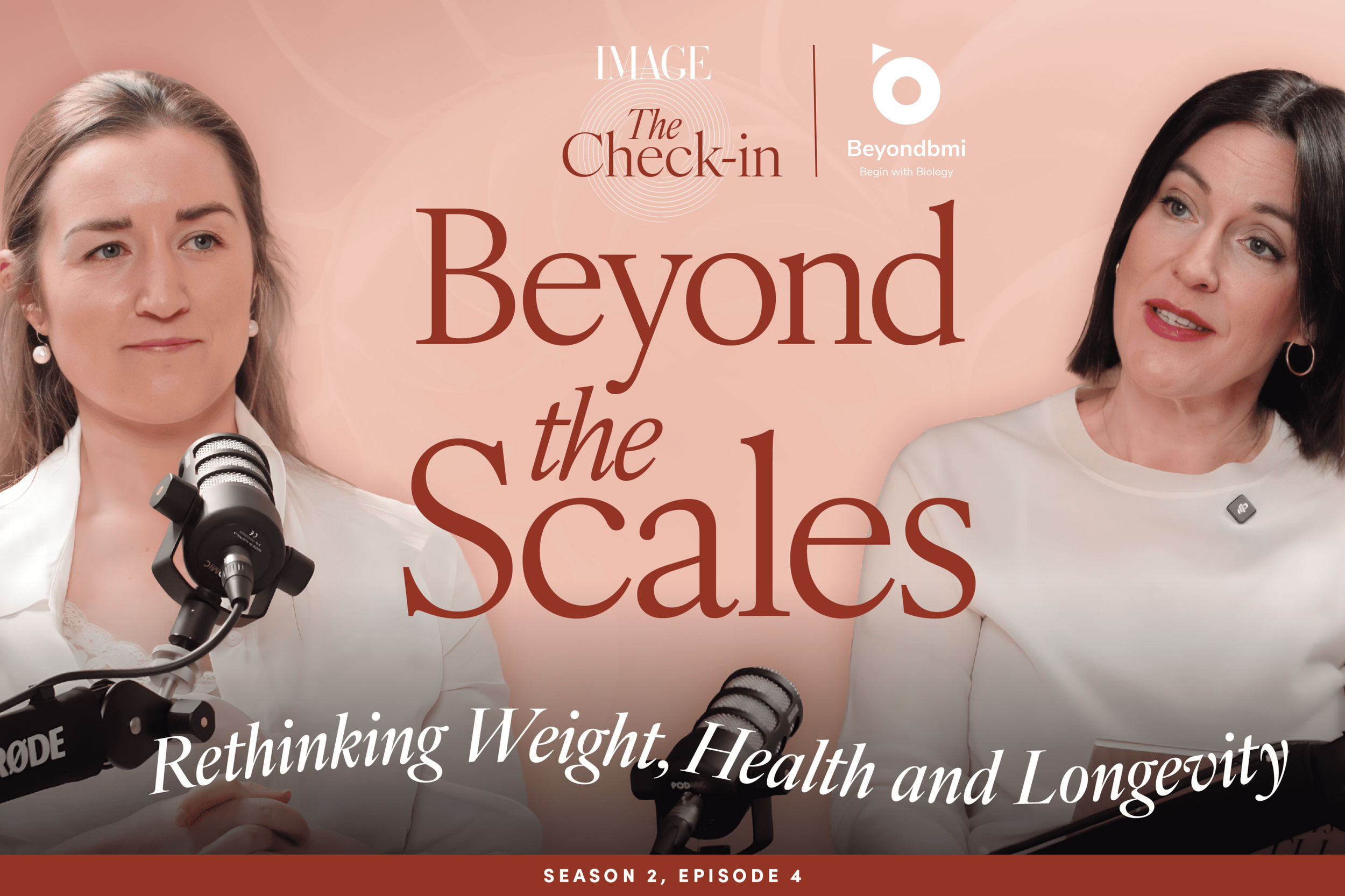
A Different Way to Talk About Weight
Conversations about weight can be emotionally complex. This episode approaches the topic with care, medical evidence and compassion.
The discussion focuses on metabolic wellbeing, reducing disease risk and supporting long-term health, not appearance or body ideals.
Healthier weight looks different for everyone. Weight is influenced by biology, hormones, life stage, stress, and lived experience, not simply willpower.
Weight Is a Signal - Not a Diagnosis
During the episode, Dr. Harriet explains a core clinical principle:
“I think less about weight and more about health. Because weight is simply just a signal that there may be or there may not be an issue with your health. And so we don't use weight as a diagnosis” - Dr Harriet
Instead, modern obesity medicine looks at overall health, including metabolic markers, physical function, and long-term disease risk.
Health is not defined by a number. It is defined by how your body is functioning and how you feel day to day.
Understanding Obesity as a Medical Condition
A key message from the podcast is the need to move away from outdated narratives.
Obesity is recognised medically as a complex, chronic condition influenced by biology, genetics, environment, and hormones. This means it requires long-term management, not short-term solutions.
This shift is important because it removes blame and helps people access appropriate medical care earlier.
Why Personalised Assessment Matters
Good obesity care starts with understanding the full clinical picture, not just weight alone.
Medical assessment may include:
Metabolic health markers
Personal and family history
Symptoms affecting daily life
Quality of life and functional health
BMI can be a useful population screening tool, but it does not capture the full complexity of metabolic health. Modern care is increasingly personalised and medically guided.
What Evidence-Based Treatment Can Look Like
Modern obesity care is collaborative and tailored to the individual.
Depending on medical need, treatment may include:
Medical nutritional therapy
Exercise therapy (especially for long-term health and maintenance)
Pharmacological treatment where clinically appropriate
Bariatric surgery in selected cases
If you would like to understand how multidisciplinary obesity care is delivered in practice, you can learn more about how our programme works.
Health Can Change and Support Exists
A reassuring message from the podcast is that metabolic health is not fixed.
With the right support, biology can change, symptoms can improve and long-term health outcomes can also improve. Many people benefit from structured, medical weight management when lifestyle change alone has not been enough.
If you want to understand whether medical weight management may be appropriate for you, you can check eligibility.
The Key Takeaway
Healthier weight is not about appearance.
It is about metabolic health, disease prevention, and quality of life.
This episode offers a kinder, a medically grounded way to understand weight, and reminds us that health is about far more than what we see on the outside.
Watch the full episode here:
This information is for general education purposes and does not replace medical assessment, diagnosis or personalised care from a healthcare professional.
