

Healthy Christmas Habits: Evidence-Based Weight Management
Estimated reading time: about 5 minutes
The Christmas period is an important cultural and social time, often centred around shared meals and reduced routine. While these celebrations are valuable for well-being, evidence suggests that festive periods can contribute to small but persistent increases in body weight. Over time, these changes may play a role in the development or progression of overweight and obesity. Using guidance from reputable public health institutions allows individuals to approach the holiday season with balance rather than restriction.

Obesity as a Public Health Issue
Obesity is recognised internationally as a major public health concern. The World Health Organization (WHO) defines overweight and obesity as “abnormal or excessive fat accumulation that may be harmful to health.” According to the WHO, in 2022 “2.5 billion adults (18 years and older) were overweight,” and “890 million were living with obesity.” These figures highlight the scale and complexity of the issue, which extends beyond individual behaviour alone.
Body mass index (BMI) is commonly used to classify weight status at a population level. Adults with a BMI of 25 or higher are classified as overweight, while a BMI of 30 or higher is classified as obesity. Although BMI does not measure body fat directly, it remains a useful screening tool in public health contexts.
Christmas and Weight Gain: What Research Indicates
Studies examining weight patterns during festive periods indicate that adults tend to gain small amounts of weight over Christmas and similar holidays. While these gains are often modest, research suggests they are not always lost afterward, potentially contributing to gradual long-term weight gain. This evidence supports the importance of preventive strategies that focus on maintaining healthy habits rather than pursuing short-term dieting.
Healthy Eating During the Festive Season
Balanced Nutrition Over Restriction
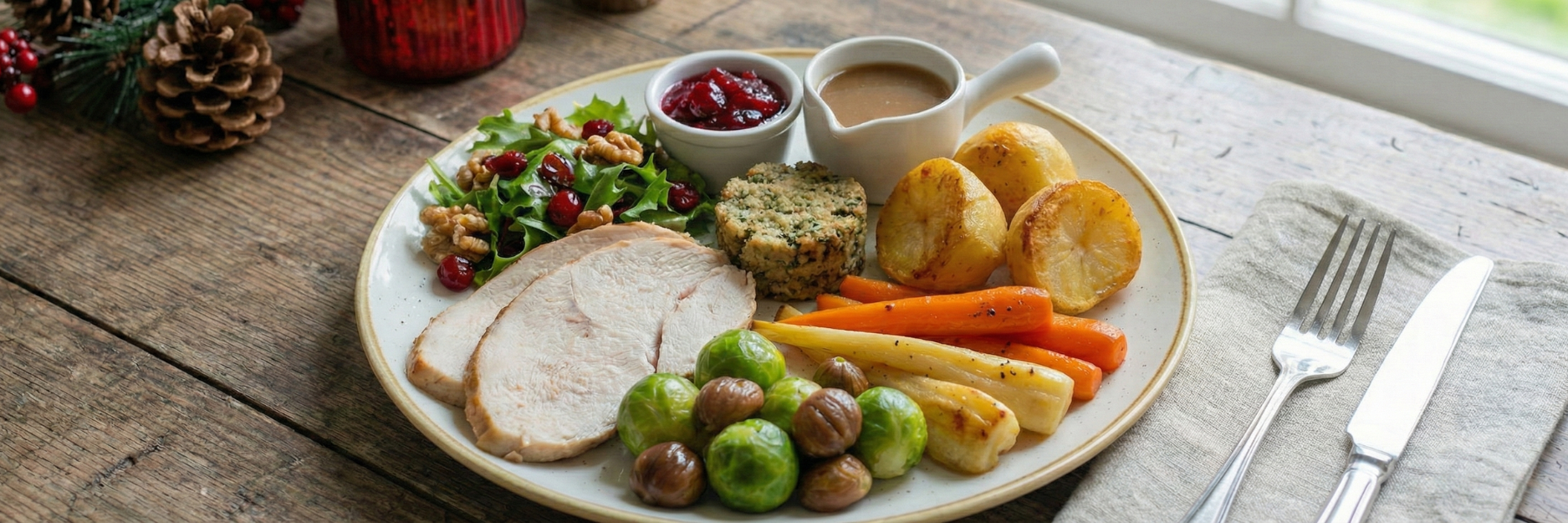
The Centers for Disease Control and Prevention (CDC) emphasises practical approaches to holiday eating rather than avoidance. One of its recommendations is to “fill your plate with your favorite fruits and vegetables first, then add small portions of less healthy items.” This approach encourages nutrient-dense foods while allowing room for traditional festive dishes.
The WHO healthy diet guidance similarly promotes a varied diet with an emphasis on fruits, vegetables, whole grains, and limited intake of free sugars and saturated fats. These principles remain relevant during the Christmas period and support overall metabolic health.
Portion Awareness
Portion size plays a significant role in energy intake. Being mindful of portion sizes can help individuals enjoy festive foods while avoiding excessive caloric intake. This approach aligns with public health guidance that encourages moderation rather than elimination of celebratory foods.
The Role of Physical Activity
Physical activity is a key component of weight management and overall health. The CDC encourages people to remain active during the holidays through accessible activities such as walking with family members or incorporating movement into social gatherings. Importantly, physical activity does not need to be structured or time-consuming to be beneficial; even short periods of movement contribute positively to health.
The WHO recommends regular physical activity for adults to reduce the risk of non-communicable diseases and support weight management. Maintaining some level of activity during the Christmas period can help counterbalance changes in eating patterns and reduced daily routine.
Staying Healthy While Travelling
Christmas travel can disrupt normal eating and activity habits. The CDC advises planning ahead by bringing nutritious snacks and choosing water instead of sugar-sweetened drinks, particularly when travelling or spending extended periods away from home (CDC Healthy Holiday Travel). These practical measures can help reduce reliance on high-calorie convenience foods commonly available in travel settings.
Obesity Management in Ireland: Guidance from the HSE
For individuals living with obesity, maintaining health during the festive season may require more structured support. In Ireland, the Health Service Executive (HSE) provides clear guidance on evidence-based obesity management.
The HSE states that “treatments for obesity include lifestyle changes, including eating well, being active and sleeping well; managing other health conditions you may have; looking after your mental health; medicines; surgery.” This reflects a comprehensive, multi-component approach that recognises obesity as a complex, chronic condition rather than a simple matter of personal choice.
Lifestyle Support and Behaviour Change
The HSE emphasises that lifestyle changes can help individuals “manage your weight, improve your quality of life, [and] reduce your risk of weight-related health problems.” Practical strategies include setting realistic goals, monitoring habits, and introducing gradual changes. The guidance recommends to “make 2 or 3 small changes at a time,” supporting sustainable behaviour change rather than rapid weight loss.
For those seeking structured, clinician-led care, programmes delivered in line with national guidance are recommended. Services such as Beyondbmi’s weight management plan are designed to align with the principles outlined by the HSE, integrating medical oversight, nutrition support, and behaviour change strategies to support sustainable weight management in adults living with overweight or obesity.
Structured Weight-Management Programmes
BeyondBMI’s weight loss plan reflects the HSE’s emphasis on a comprehensive, multi-component approach to obesity management. By combining dietary guidance, physical activity support, and attention to behavioural and psychological factors, the programme supports individuals in making gradual, realistic changes consistent with evidence-based obesity care. This structured approach is intended to support long-term health outcomes rather than short-term weight loss alone.
Conclusion
The Christmas season does not need to conflict with health or well-being. Evidence from international and Irish health institutions supports a balanced approach that prioritises enjoyment, moderation, and sustainability. By focusing on healthy eating patterns, maintaining physical activity, and accessing appropriate support when needed, individuals can protect their health during the festive period and beyond.
For those seeking personalised, evidence-based care in Ireland, specialist services such as Beyondbmi provide structured support aligned with national and international clinical guidelines. Getting started is simple: a 3-minute survey allows the clinical team to understand your needs and guide you towards achieving your health goals.
-
World Health Organization. Obesity and overweight – Fact sheet
World Health Organization. Healthy diet – Fact sheet
Centers for Disease Control and Prevention. How to Have Healthier Holidays in 1-2-3!
Centers for Disease Control and Prevention. Healthy Holiday Travel
Health Service Executive (HSE). Obesity – Treatment
Health Service Executive (HSE). Best Health Programme
